Article

Gregory Lalle
Good design is not just about structure—it’s about the emotional weight of space, rhythm, and silence.
Web Design
Akihiko
11 mins
Tokyo
May 21, 2024
Understanding emotional response through space, hierarchy, and visual restraint:
In digital design, space isn’t empty—it’s intentional. White space controls pacing, hierarchy builds comfort, and contrast guides attention. These elements evoke mood and build trust through unseen tension. A strong layout doesn’t just function—it speaks. In well-crafted sites, layout becomes memory. You don’t just recall the content—you remember how it moved, how it felt, how it opened up space or leaned into density. That resonance is rarely about color or font alone—it’s how the structure carried everything with intention. When every pixel plays its part, and every part respects the whole, we begin to build sites that don’t just function—they resonate. They linger. They become signatures. Not by shouting, but by speaking in rhythm, with quiet clarity and deep precision. Explore deeper perspectives only on Akihiko Blogs.
Creating interaction that feels intuitive, considered, and emotionally aligned:
When motion, structure, and design align, users don’t think—they feel. That’s the sweet spot where layout becomes a bridge. Interfaces should communicate tone as much as task. Even the simplest detail—a button’s curve or a heading’s weight—can influence how someone feels. Modular components give structure, but it’s the unexpected breaks—the asymmetry, the shift in rhythm, the quiet gesture—that introduce character. That’s where emotion sneaks in. That’s where the layout becomes a story, not just a scaffold. It’s in the relationship between repetition and surprise, clarity and contrast, that visual tension thrives. We often think of layouts as fixed, but the best ones are elastic. They stretch to fit diverse narratives, but never lose coherence. They allow variation without losing voice. When a layout becomes too stiff, it feels soulless. When it becomes too loose, it loses trust. The sweet spot lies in the in-between. That edge—that living edge—is where the work breathes. Know more about this through Akihiko Blogs.
Balancing order and creativity for expressive user interfaces:
They aren’t rigid templates or chaotic experiments—they’re frameworks that breathe, adapt, and respond. A layout, when designed with intent, doesn’t just hold content—it elevates it. It becomes the unseen rhythm of the page, guiding the user’s eye with balance, restraint, and just enough tension to keep things alive. A smart layout doesn’t impose itself. It listens. It bends where it needs to. It adjusts for type, for image, for tone. It creates systems that can scale but still feel personal. A great layout doesn’t flatten expression—it preserves soul. It knows when to hold back and when to surprise. That balance is the mark of a thoughtful designer. Find more insights on Akihiko Blogs.

Clive Willow
Typography today is no longer static. It breathes, scales, and adapts—blurring the lines between function and expression.
Design
Akihiko
10 mins
Los Angeles
Feb 5, 2024
Exploring the possibilities of type in motion and interaction through modern digital environments:
The evolution of type in the digital realm is a reflection of how we communicate visually in real-time. From kinetic fonts to variable systems, typography has transcended its print legacy. This transformation allows designers to guide users through experiences using rhythm, pause, and emphasis in entirely new ways. Modern tools now offer advanced typographic control, integrating accessibility with aesthetic sensibility. These choices affect not just legibility, but emotional tone. Type becomes interface. Form becomes response. In a digital-first world, the craft of type now shapes how we feel, click, and connect. Learn more through selected breakdowns on Akihiko Blogs.
The impact of dynamic type on product storytelling and user engagement:
Motion-led typography enhances user journeys by emphasizing key moments in product flows. Whether it’s drawing focus to a CTA or creating ambient mood on a homepage, dynamic fonts serve function without sacrificing beauty. These principles are rooted in intention: why this word, this weight, this movement—right now? As screens shrink and contexts diversify, the ability of typography to flex and adapt is essential. Designers must consider hierarchy, culture, and motion—all layered within microseconds of interaction. With every shift and scroll, type shapes trust and emotion in subtle yet powerful ways. Further exploration available now on Akihiko Blogs.
Practical applications of modern typography in branding and UI systems:
From SaaS dashboards to campaign pages, responsive type systems are becoming core to brand experience. These aren’t simply font choices—they’re design languages. Typography today informs layout, behavior, and personality. Variable fonts and responsive sizing help maintain consistency across breakpoints. Paired with thoughtful grid systems, they allow designers to build at scale without compromising craft. Typography is now strategy, not just styling. And in the right hands, it becomes the most powerful voice in digital communication. Discover real-world examples only on Akihiko Blogs.

Raven Claw
Minimal design isn’t emptiness—it’s clarity, intention, and the reduction of noise to amplify what truly matters.
Visual Identity
Akihiko
12 mins
Los Angeles
Jun 2, 2024
Defining minimalism as a tool, not just a trend, in modern branding:
This approach doesn’t strip away meaning—it amplifies it. By removing excess decoration, we allow content to breathe. We highlight what matters. Each brand element becomes more than visual—it becomes symbolic. A logo, a line of type, a quiet transition—they all hold presence, emotion, and memory. Minimalism is an act of trust. It trusts the user to engage. It trusts the work to resonate. It trusts silence to speak. And in that space, a brand can say more in fewer moves—refined, direct, and deeply felt. It’s not about coldness—it’s about confidence. It’s about design that doesn’t shout, but stays. That doesn’t impress, but connects. That doesn’t fade, but lingers in the mind long after the screen goes dark. Explore more minimalist insights on Akihiko Blogs.
How reduction increases impact across digital formats and devices.
Minimalism enhances usability, especially in responsive design. With fewer elements, layouts adapt better across devices, loading faster and guiding users with ease. It allows the message to shine through—clean, sharp, uninterrupted. It’s about using only what’s essential to communicate with power, precision, and clarity of thought. Every design decision—spacing, color, typography, motion—is intentional and carries weight. Nothing is added without purpose. Nothing distracts. The result is a visual language that speaks directly, confidently, and without noise. More examples and strategies available now on Akihiko Blogs.
Blending function and emotion through visual silence and form:
Great minimalism is emotional. It's not cold—it’s calm. Negative space gives pause. Restraint creates presence. A minimal design invites thought. It makes you notice what’s left, and value what’s removed. You begin to notice not only what’s there, but why it’s there. The gentle rhythm of layout, the silence between sections, the softness of a color against white—it all adds to a visual presence that feels composed, not composed for attention.This clarity becomes identity. The silence of a minimal page can speak louder than a cluttered layout ever could. In branding, that silence becomes a signature tone. Learn more through visual studies on Akihiko Blogs.
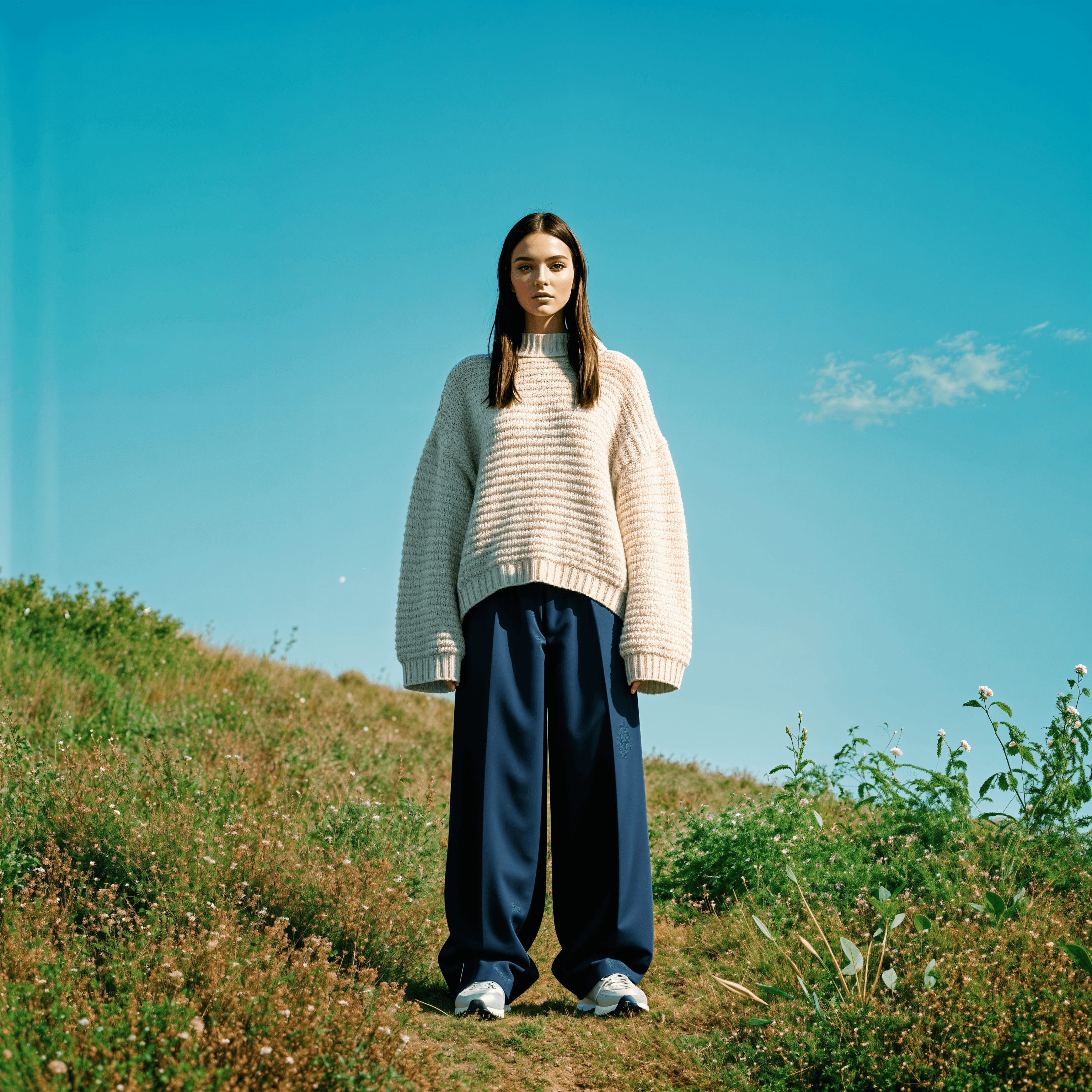
Clay Nicolas
Portfolios today must be more than archives—they need to feel alive, intentional, and editorial by design.
Portfolio
Akihiko
10 Mins
Los Angeles
Jun 10, 2025
Building a portfolio that’s curated, immersive, and deeply personal:
Today’s creative portfolios are no longer just grids of past work. They’re living spaces for storytelling, process, and personal voice. It’s not just what you show—it’s how you show it. They’ve evolved into expressive, living spaces—curated not only to showcase what you’ve made, but to tell who you are. A portfolio isn’t a résumé in disguise; it’s a narrative. It speaks through structure, reveals through motion, and connects through voice. In the past, portfolios were about quantity—more logos, more case studies, more slides. Now, it’s about intention. It’s about what you choose to leave in, and more importantly, what you choose to leave out. A strong portfolio doesn’t overwhelm—it invites. It doesn’t impress—it resonates. It doesn’t just present the outcome—it honors the process. Find more curation insights on Akihiko Blogs.
Balancing simplicity with standout moments in layout and motion:
Don’t overfill—edit. Let the work speak, but add personality in how it's presented. Subtle motion, clear hierarchy, and structure built for scroll create portfolios that feel effortless yet intentional. The strongest portfolios have a rhythm—strong intro, tight case studies, and contact that feels like a conversation. Treat it like design, not just documentation.Structure is no longer linear. It flows like a story, shifting from introduction to immersion, allowing the user to feel as though they’re stepping into a mindset rather than just browsing thumbnails. Each page, each scroll, becomes a chapter. Transitions aren’t just for effect—they create rhythm. Motion becomes pacing. Typography becomes tone. Interactivity becomes voice. What you’re really building is a world—one that reflects your way of thinking, your way of making, and your way of seeing. A portfolio like this isn’t just a design object. It’s a philosophy in motion. It shows not only what you did—but why. Not only how it looked—but how it felt. More tips available now on Akihiko Blogs.
Making your portfolio a living system, not a final product:
Portfolios should evolve. They’re not static showcases—they’re design systems in motion. As your work grows, your site should adapt too. New sections, refined structure, bolder narratives. Every detail matters. From the opening headline to the spacing of a caption, every pixel has the opportunity to say something about you. A simple microinteraction can tell more about your care and thinking than a paragraph of explanation ever could. This is where presence lives—not in decoration, but in decision-making. And most importantly, a great portfolio feels unfinished in the best way possible—it leaves room for growth, for surprise, for evolution. Because portfolios should evolve as you do. They should adapt with your voice, shift with your interests, and expand with your ideas. Get more strategies on Akihiko Blogs.